
The Ultimate Guide to Ball Valves in Canada
This information from Eenerfest is everything you need to know if you’re looking for a Ball valve supplier in Canada. We’ll talk about what a ball valve is, the numerous kinds, the standards that apply (particularly in Canada), how to choose the appropriate one, some important uses, and what to look out for in Canada’s weather and rules. We’ll also point out any gaps in the content that you might not discover anywhere else, which will help you get a more full perspective.
What is a ball valve?
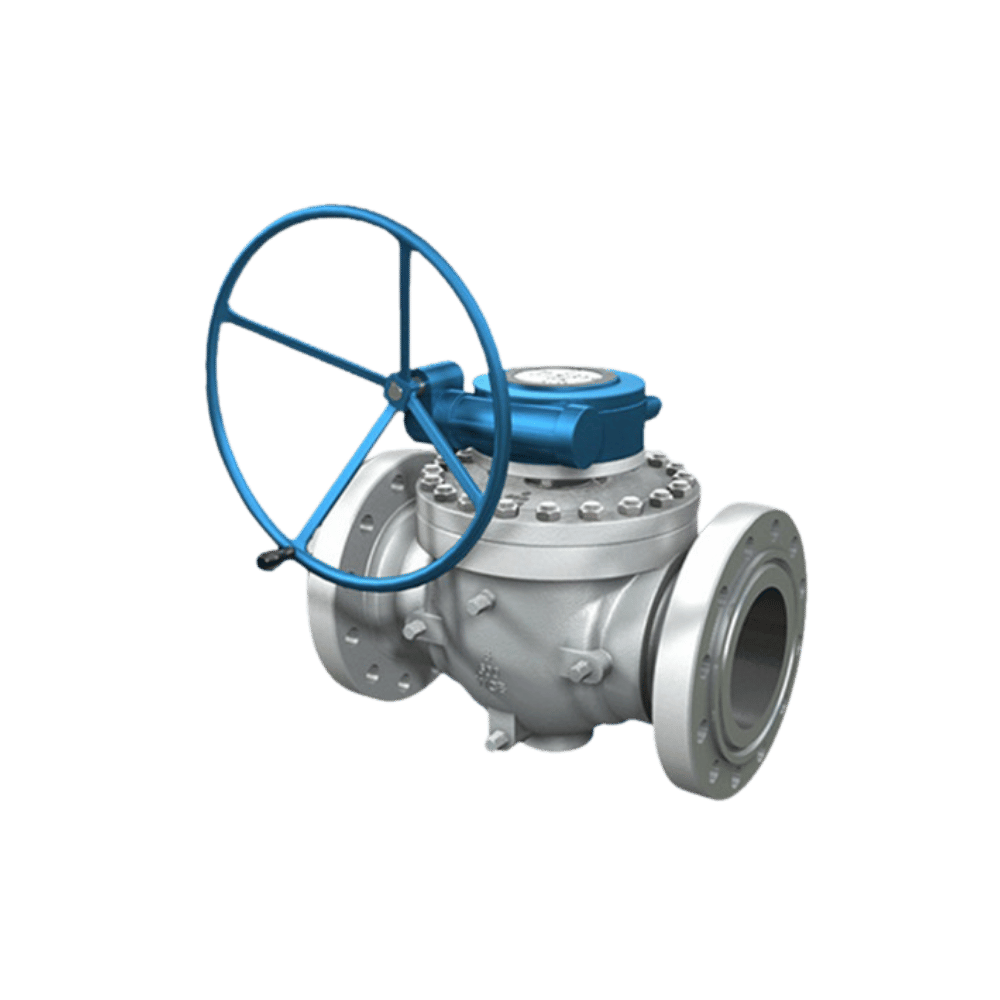
A ball valve has a hole in the middle of a revolving ball that may be turned a quarter turn (90°) to start or stop flow. The valve is open when the bore is in line with the pipeline, and it is closed when it is at a right angle. Technical sources say that ball valves are noted for their tight shut-off, quick operation (a quarter turn), and great reliability.
Ball valves are widely used in various sectors because they are simple and work well. They are also important parts of fluid control systems.
To know How a Ball valve work
Different kinds of ball valves
You may find a lot of different kinds of ball valves in Canada and other places. Here are the main ones and the places where I see content gaps:
1. Floating or Trunnion Mounted
Floating ball: The seats hold the ball in place, but it can move a little to make a tight seal when there is pressure from upstream.
Trunnion mounted: The ball is held in place by pins or trunnions, and seats are pushed against it. Better for sizes that are bigger or pressures that are higher.
Gap identified: Many Canadian sources don’t clearly show which sizes and pressures are best for floating or trunnion in Canadian weather or pipeline needs. We’ll talk about that later.
2. Body and Bore Styles
Full bore (or full port): The valve’s inside diameter is the same as the pipe’s, hence there is very little pressure drop.
Reduced bore (or reduced port): The valve bore is narrower than the pipe diameter, which makes it more compact but causes a bigger pressure drop.
V-notch: A version in which the ball has a V-shaped cut that lets you control the flow better (throttling) instead of just turning it on and off.
3. Number of Ports / Set Up
2-way ball valve: This is the most common type. It has one intake and one outlet.
3-way ball valve: This type of valve has three ports and is typically used to mix or divert things (T-port or L-port designs).
Gap: There isn’t usually good documentation for specific uses of 3-way ball valves in Canada, like HVAC and snow-melt systems.
4. Connections at the End
Different kinds of connections, such as threaded, flanged, welded, socket-welded, union, and so on
Canadian note: Because the area is prone to freeze-thaw, jointing technology and corrosion resistance are particularly important.
Standards and Rules in Canada
When choosing a ball valve in Canada, you need to think about both worldwide and Canadian standards as well as local rules:
Important Standards
ANSI / ASME (American National Standards Institute / American Society of Mechanical Engineers). ASME standards are used by several Canadian industrial systems.
API (American Petroleum Institute) guidelines for oil and gas use.
ISO standards: These are international standards that many vendors use.
CSA (Canadian Standards Association): Some Canadian codes may use CSA as a source for supplies or tools.
Local provincial rules: This is especially true for construction codes, fire safety, and drinking water systems.
Gap: There isn’t a lot of public, centralized information that shows how “ball valve standards” differ from province to province in Canada (for example, Ontario vs. Alberta vs. British Columbia). Eenerfest can help fill that gap.
Canadian Environmental and Climate Compliance
Because Canada has very bad weather (cold winters, freeze-thaw cycles, salt exposure in coastal areas, etc.), valves that are put outside or in exposed pipes need to be more durable than normal. As an example:
- When choosing materials, you need to think about places that are -40 °C or below (certain Northern locales).
- Resistance to corrosion (in coastal or marine areas).
- Following local building codes for fire-safe valves, like those used in HVAC systems in tall buildings.
- Gap: Not many valve-manufacturers’ instructions say “suitable for Canadian winter conditions” in plain language. This is a chance.
How Ball Valves Are Used in Canada
In Canada, ball valves are used in a lot of different sectors. Here are some of the most important ones:
Oil and Gas / Petrochemical: Canada is a big producer of oil and gas (Alberta and Saskatchewan). Ball valves here have to work with high pressure, high temperature, and sometimes sour (H₂S) service.
Water and Wastewater Treatment: Ball valves are used in municipal and industrial treatment plants for isolation, control, and other purposes.
HVAC & Building Services: In Toronto, Vancouver, and Montreal, ball valves are used in commercial buildings for chilled water loops, steam, heating, and snow-melt systems.
Chemical & Mining: The mining industry in Canada (for example, in the northern territories) needs strong valves that can withstand wear and tear, cold, and sometimes even remote installation.
Marine / Offshore: Installations on the coast or offshore (in the Atlantic or Pacific) need valves that won’t rust, and these valves typically need specific coatings.
How to Pick the Right Ball Valve: Selection Criteria
Now let’s go over a practical selection checklist made just for Canada. We’ll use best practices from throughout the world and add some regional differences.
1. Learn about the properties of fluids and gases in the media.
- Is the medium a liquid, gas, slurry, corrosive, or abrasive?
- Are there solids, particles, or deposits in it? If so, floating ball designs can become stuck.
- Is it safe to drink (which sets off hygienic and regulatory standards)?
- In cold weather or when things freeze, is there a chance that the fluid inside the valve will freeze?
2. Ratings for pressure and temperature
- Find out the highest pressure that the system can handle (and any surge pressure).
- Find out what the temperature extremes are, such how cold it gets in the winter. For instance, a valve that can only handle temperatures down to -20 °C might not be good enough for a site in Canada that is far away.
- Choose the right material for the body and the seat/seal
3. Compatibility of materials and climate factors
- Body material: Brass, bronze, stainless steel, carbon steel, alloy steel, or plastic (for low pressure).
- Seat/seal material: PTFE (Teflon), EPDM, Viton, NBR, or metal seats (for high temperatures).
- For cold Canadian weather, make sure the material stays flexible at low temperatures. Seals that become brittle are a risk of failure.
- For places along the shore or in the ocean, choose alloys or coatings that won’t rust (such 316 stainless, duplex, or super-duplex).
- Gap: Information about “brittleness below -30 °C” for seals in Canadian remote locales is not often found in bulk supplier material.
4. End Connection and Setting Up the Environment
- Make sure the end connections on the valve fit your pipeline (threaded, welded, flanged, socket weld, etc.).
- Think about where the installation will take place: underground, within, outside, or where it will be exposed to freeze/thaw cycles. Insulation, heat tracing, or frost protection may be needed for outside installations.
- Easy to get to for maintenance, especially in Canada where snow, ice, or remote access can be a problem.
5. Automation and Actuation
- Manual (with a lever or gear) or automatic (using air, electricity, or water).
- For remote locations in Canada, like northern mining and pipelines, automation with remote monitoring may be necessary.
- In cold climates, think about protecting actuators and control wires from freezing.
6. Quality of suppliers, standards, and certifications
- Make that the valve meets the right requirements, such as ASME B16.34 for valves, API 6D for pipelines, and ISO 5208 for valve leaks.
- Check with your local province or region to make sure that the water is safe to drink or use for building services.
- The supplier should be able to trace the materials, give test certificates, and make sure that the equipment complies with export and import laws (particularly if it comes from another country).
- Gap: A lot of Canadian installation checklists don’t include ballistic or seismic ratings for ball valves in earthquake-prone areas like BC. This is a big difference.
7. Things to think about for maintenance and the life cycle
- Pick valves that are easy to work on (for example, a 3-piece body style is easier to work on than a 1-piece body style). Take into account how easy it is to get spare parts in Canada, such as whether the provider has them in stock locally or ships them quickly.
* For installations in cold climates, think about monitoring for corrosion, the possibility of ice damage, and thermal cycling fatigue.
Suppliers and the Market in Canada
There are both worldwide valve makers and Canadian and US-based distributors in Canada. Here are some important tips:
- Find vendors that have a presence in Canada (Ontario, Alberta, BC) so you can receive help, stock, and fast shipping.
- If you require it, ask about CSA/UL listings, material traceability, and Canadian content for some government contracts.
- Think about the costs of getting to remote sites: the more north you go (such Yukon, Northwest Territories, and northern Alberta), the more important transit costs and time become, and weather delays can be a problem.
- Gap: There is no “Canadian ball valve supplier ranking” that is available to the public that shows how reliable they are in the winter. Eenerfest might cover that by putting together reviews from users.
Best Ways to Take Care of Ball Valves
Good maintenance makes things last longer and work better, which is especially crucial in severe Canadian weather. Here are some tips for using ball valves:
- If you don’t use the valve very often, cycle it often to keep the seat from sticking or deposits from building up.
- Check the outside parts and actuators for rust or damage from freezing (this is especially important if the installation is outside).
- Lubricate according to the manufacturer’s instructions, but many ball valves don’t need any maintenance when they’re in typical use.
- Look for leaks around the joints, stem, and seats. Check the integrity of the seat from time to time, especially if the media is pushy.
- For systems that can freeze, make sure that the thermal insulation or heat tracing is still there and that the valve is drained if it isn’t working.
- Keep a record of valve servicing, parts changed, and any wear you notice. This is something that is often forgotten about at rural Canadian sites.
- Gap: Not many Canadian facility-maintenance manuals say that “freeze-thaw fatigue” on ball valves should be checked often. This is something you should add to your maintenance list.
How to Choose a Ball valve in Canada
When choosing and keeping ball valves, Canada’s terrain and rules provide some unique challenges. Some of the more important ones are:
Effects of Cold Weather and Climate
- In the mountains and northern Canada, the temperature outside can drop below −40 °C. The materials and seals used in the valve must be rated for those.
- Thermal cycling (freeze-thaw) can make things weaker, especially in outside pipes, which might cause seals to break or bodies to stress.
- Insulation and heat tracing: You might need to specify heat-traced actuators or insulated valve bodies for important isolation valves, including those for water or chemical lines.
Exposure to the environment and corrosion
- Coastal exposure (Atlantic provinces, Pacific coast) brings in salt air, hence materials need to be able to withstand corrosion (316SS, duplex, special coatings).
- In the winter, de-icing agents on highways might spray onto outdoor structures, so pick your materials carefully.
Differences in codes and rules by province
- Different provinces have different building codes and plumbing rules. For instance, the Ontario Building Code controls drinking water systems in Ontario, while BC has its own code.
- The government or utilities may require Canadian-made products or CSA certification when they buy anything.
- Fire-protection systems in high-rise buildings in big cities may need fire-safe ball valves that meet UL 1272/UL 125 standards. Make sure these are spelled out in the contract.
- Gap: There isn’t a lot of consolidated documentation on “province-by-province ball valve building code equivalency,” which could be useful.
Installations that are far away or not connected to the grid
In mining, oil and gas, or industries in the far north, service access is limited. Choose valves that are known to be reliable and can be controlled from a distance.
Shipping delays in the winter or on remote roads: keep in mind that replacement parts can take a long time to get to you.
Why You Should Choose Enerfest for Your Ball Valve Needs
At Eenerfest, we don’t only sell you products; we also offer full-life-cycle service. This includes helping you choose the right ball valve for your Canadian application, giving you installation recommendations, and providing maintenance support and compliance aid. We know the Canadian landscape, both in terms of geography and rules, and we make sure your system is up to the task.
If you work in oil and gas, water and wastewater, HVAC, mining, or building services, especially if you’re dealing with problems that are unique to Canada (such cold weather, remote sites, and a lot of different regulations), our knowledge will help you pick a ball valve that will last, not just the cheapest one today.
Choosing the correct ball valve in Canada is more than just picking anything that says ball valve. You need to think about Canadian-specific elements including freezing, remoteness, and provincial legislation while also matching the medium, system pressure/temperature, climate/environmental exposure, actuation needs, standards/compliance, and maintenance plan. This book gives you the full picture you need by going over types, standards, applications, selection criteria, maintenance, and pointing out information gaps (especially those that are specific to cold climates and regions).
We’d be pleased to help you narrow down your choices of manufacturers, Canadian-approved models, or site-specific advice (for example, for Arctic pipelines, building services in Toronto, or coastline installations in Vancouver).